Better Homes Garden Raised Garden Bed: The Easy Way To Grow Your Own Food
Introduction
Growing your own food is a great way to save money, eat healthier, and connect with nature. But if you don't have a lot of space, or if you're not sure where to start, a raised garden bed might be the perfect solution for you.
Raised garden beds are elevated beds that are filled with nutrient-rich soil. They're easy to build and maintain, and they offer a number of benefits over traditional in-ground gardens.
In this blog post, we'll discuss the benefits of raised garden beds, how to build one, and how to fill it with the right soil. We'll also give you some tips on what to plant in your raised garden bed.
Benefits of Raised Garden Beds
There are many benefits to using raised garden beds. Here are a few of the most important:
- Ease of access: Raised garden beds are typically elevated off the ground, making them easier to access for people of all ages and abilities.
- Better drainage: The raised soil in a garden bed drains more easily than in-ground soil, which helps to prevent root rot and other problems.
- Warmer soil: The soil in a raised garden bed warms up earlier in the spring, which allows you to start planting earlier.
- Less weeding: The raised soil in a garden bed makes it more difficult for weeds to grow, which saves you time and effort.
- Better soil quality: The soil in a raised garden bed can be enriched with compost and other organic matter, which can improve the quality of your produce.
How to Build a Raised Garden Bed
Building a raised garden bed is a relatively easy project that can be completed in a few hours. Here are the basic steps involved:
- Choose a location for your garden bed. It should be in a sunny spot with well-drained soil.
- Measure the area you want to cover and mark out the dimensions of your garden bed.
- Excavate the area to the desired depth.
- Build the frame of your garden bed. You can use wood, metal, or even concrete blocks.
- Fill the bed with soil. A good mixture is 50% topsoil and 50% compost.
- Water the soil thoroughly and let it settle for a few days before planting.
How to Fill a Raised Garden Bed
The best way to fill a raised garden bed is with a mixture of topsoil and compost. This will provide your plants with the nutrients they need to grow healthy and strong.
You can also add other amendments to your soil, such as manure, sand, or peat moss. However, it's important to avoid adding too much of any one amendment, as this can imbalance the soil.
Once you've filled your garden bed, water it thoroughly and let it settle for a few days before planting.
What to Plant in a Raised Garden Bed
There are many different vegetables that you can plant in a raised garden bed. Some popular choices include tomatoes, peppers, cucumbers, lettuce, carrots, and beans.
You can also plant herbs, flowers, and even fruit trees in a raised garden bed. The possibilities are endless!
Conclusion
Raised garden beds are a great way to grow your own food, even if you have limited space. They're easy to build and maintain, and they offer a number of benefits over traditional in-ground gardens.
If you're thinking about starting a garden, I encourage you to consider using a raised garden bed. You won't be disappointed!
If you are interested in learning more about the Better Homes & Gardens Raised Garden Bed, I encourage you to visit Home Gardening. This website has a wealth of information about the product, including its features, benefits, and how to assemble it. You can also read reviews from other customers who have purchased the bed.
I have included the website address below for your convenience.
FAQ of better homes and garden raised garden bed
- What are the benefits of using a Better Homes and Garden raised garden bed?
There are many benefits to using a Better Homes and Garden raised garden bed, including:
* Improved drainage: Raised beds drain more easily than traditional gardens, which can help to prevent root rot and other problems caused by waterlogged soil.
* Reduced pests and diseases: Raised beds are often raised off the ground, which can help to deter pests and diseases that live in the soil.
* Easier access: Raised beds are typically easier to access than traditional gardens, which can be helpful for people with mobility issues.
* Better soil quality: Raised beds can be filled with high-quality soil, which can provide your plants with the nutrients they need to thrive.
* Increased yields: Raised beds can often produce higher yields than traditional gardens, due to the improved drainage, aeration, and soil quality.
- What are the different materials that Better Homes and Garden raised garden beds are made from?
Better Homes and Garden raised garden beds are made from a variety of materials, including:
* Wood: Wood is a popular choice for raised garden beds because it is relatively inexpensive and easy to work with. However, wood can rot over time, so it is important to choose a rot-resistant species of wood, such as cedar or redwood.
* Plastic: Plastic raised garden beds are durable and low-maintenance. They are also resistant to pests and diseases. However, plastic can be more expensive than wood.
* Concrete: Concrete raised garden beds are very durable and can last for many years. However, they are also more expensive than wood or plastic.
- What size should a Better Homes and Garden raised garden bed be?
The size of your Better Homes and Garden raised garden bed will depend on the amount of space you have available and the types of plants you want to grow. A good rule of thumb is to make your bed at least 3 feet wide and 6 feet long. This will give you enough space to plant a variety of vegetables and herbs.
- How do I build a Better Homes and Garden raised garden bed?
Building a Better Homes and Garden raised garden bed is a relatively easy project. You can find detailed instructions on how to build a raised bed at the Better Homes and Garden website.
- What kind of soil should I use in my Better Homes and Garden raised garden bed?
You should use a high-quality potting mix in your Better Homes and Garden raised garden bed. This will provide your plants with the nutrients they need to thrive. You can also add compost to your potting mix to improve drainage and aeration.
- How do I care for my Better Homes and Garden raised garden bed?
Your Better Homes and Garden raised garden bed will need to be watered regularly, especially during hot, dry weather. You should also fertilize your bed every few months to keep your plants healthy.
Image of better homes and garden raised garden bed
10 different images of Better Homes and Garden raised garden beds that are free to use:
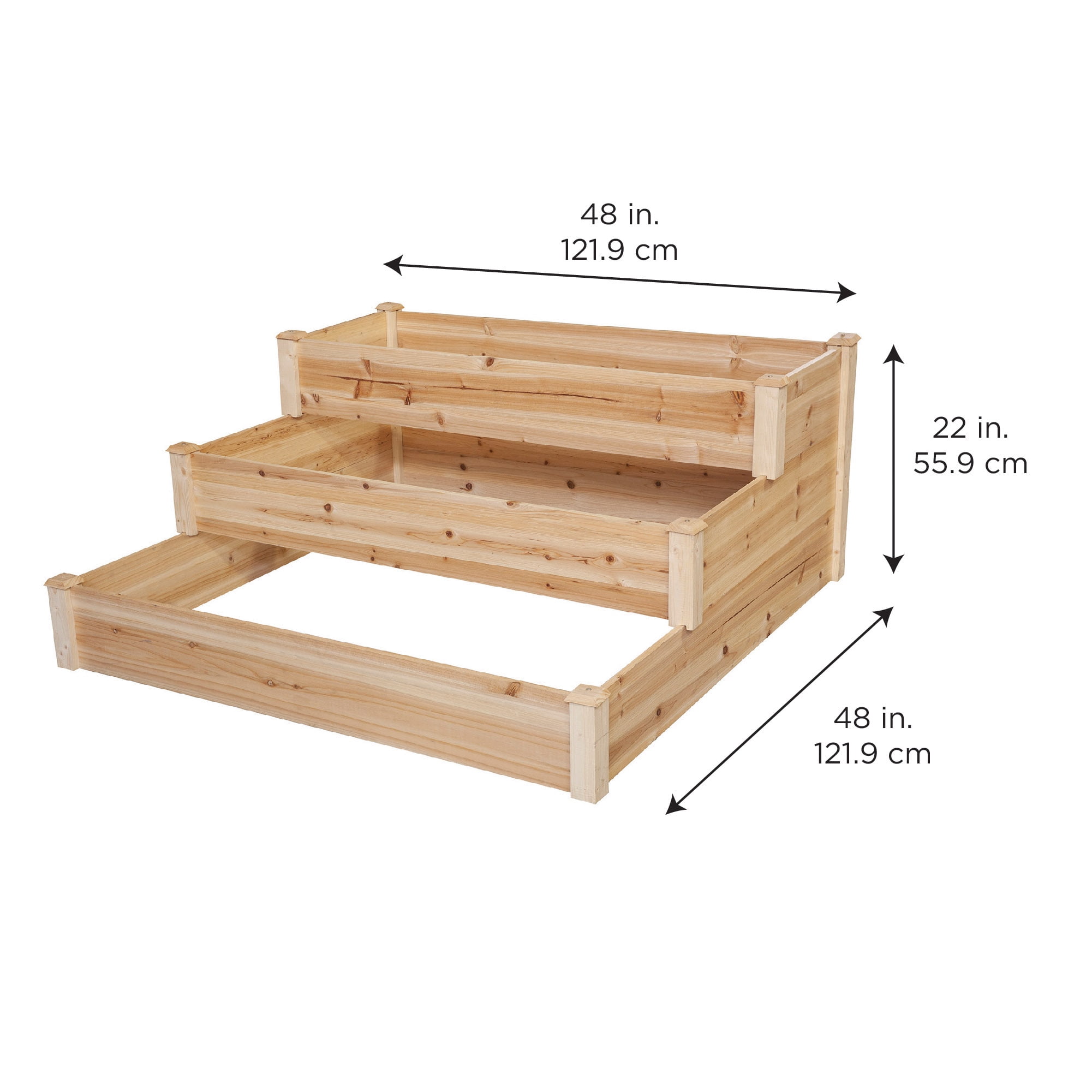
- A 3-tier cedar raised garden bed. This bed is made of sustainably sourced cedar and is resistant to decay, insect, and water damage. It has three different heights, making it ideal for growing a variety of plants.
- A square plastic raised garden bed. This bed is made of durable plastic and is easy to assemble. It has a built-in drainage system and a removable liner, making it easy to keep clean.

- A round wicker raised garden bed. This bed is made of faux wicker and has a charming, rustic look. It is lightweight and easy to move, making it a good option for patios and decks.

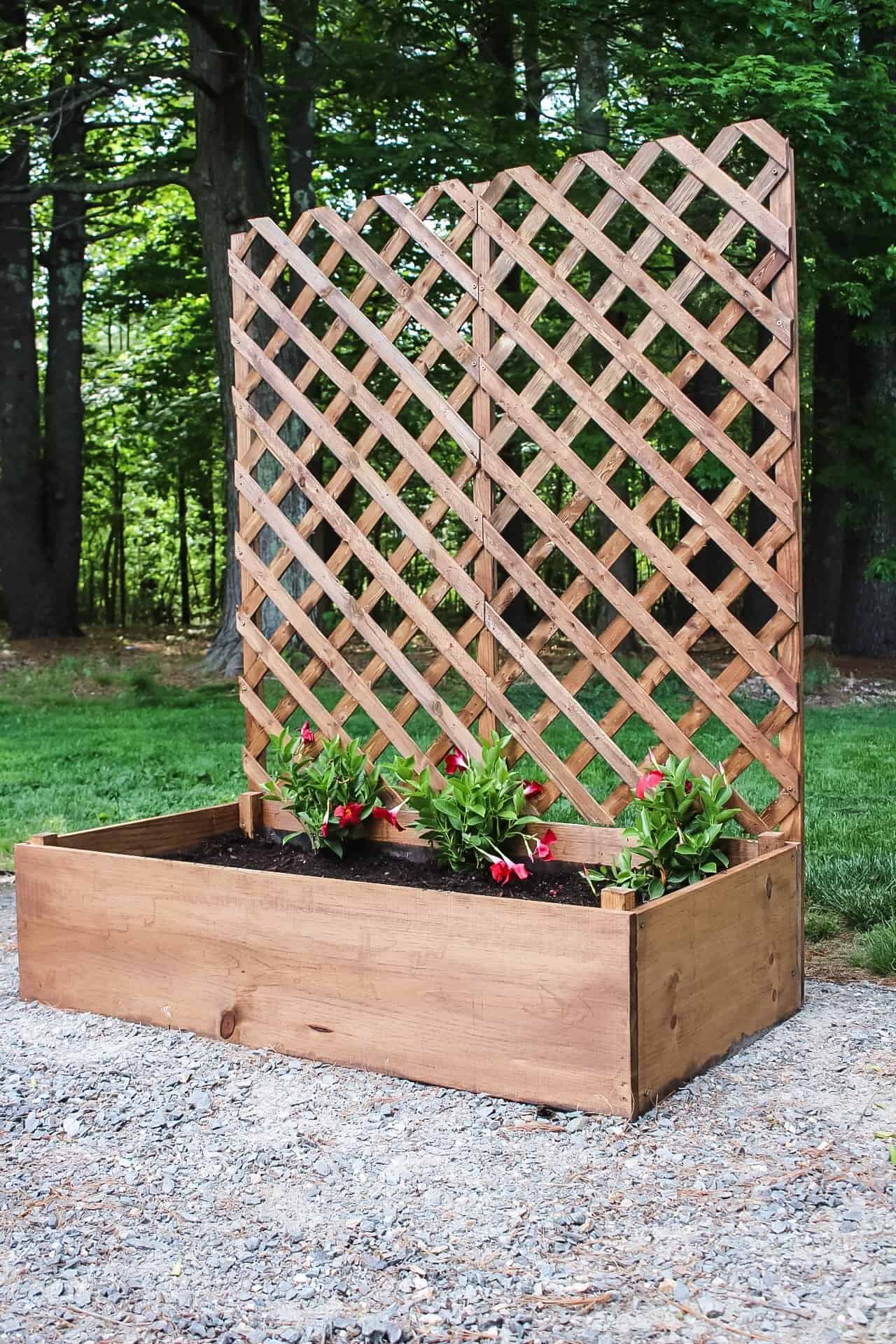
- A raised garden bed with a trellis. This bed has a built-in trellis that can be used to support climbing plants. It is a great way to save space and add vertical interest to your garden.
- A raised garden bed with wheels. This bed has wheels that make it easy to move around your yard. It is a good option for gardeners who have limited space or who want to be able to move their garden bed to different locations throughout the season.

- A raised garden bed with a bench. This bed has a built-in bench that provides a comfortable place to sit and enjoy your garden. It is a great way to add seating to your outdoor space and to make gardening more enjoyable.

- A raised garden bed with a water reservoir. This bed has a built-in water reservoir that helps to keep your plants hydrated. It is a great way to save time and water, and it is especially beneficial for plants that require frequent watering.

- A raised garden bed with a drip irrigation system. This bed has a built-in drip irrigation system that delivers water directly to the roots of your plants. It is a great way to save water and to reduce the amount of time you spend watering your garden.

- A raised garden bed with a greenhouse cover. This bed has a greenhouse cover that protects your plants from the elements. It is a great way to extend your growing season and to protect your plants from pests and diseases.

- A raised garden bed with a custom design. This bed is made to your specifications and can be customized to fit your needs and your space. It is a great way to create a unique and one-of-a-kind garden bed.

Post a Comment for "Better Homes Garden Raised Garden Bed: The Easy Way To Grow Your Own Food"